Introduction
As summer season approaches, the sweltering warm can flip your comfy dwelling into an uncomfortable sauna. Air conditioning structures turn out to be vital, but the question arises: can you put in your very own air conditioner? With a rising vogue toward DIY tasks, many house owners are deliberating taking concerns into their possess hands. This article delves into the bits and bobs of DIY AC installation, exploring even if it’s real achieveable for the ordinary home owner or bigger left to the professionals.
Understanding the Basics of Air Conditioning Systems
What is an Air Conditioner?
An air conditioner (AC) is a formula designed to control indoor temperatures with the aid of removal warm from a selected edge and expelling it outdoors. It operates on the rules of thermodynamics, involving refrigerants that soak up and unlock warmness.
Types of Air Conditioners
When contemplating a DIY AC set up, that is imperative to be aware the specific different types of air conditioners handy:
- Window Units: Compact gadgets terrific for single rooms. Affordable but may well be less powerful for better areas. Portable ACs: Versatile and smooth to transport but might require venting by a window. Split Systems: Comprising two units (indoor and out of doors), delivering powerful cooling for comprehensive properties yet troublesome to install. Central Air Conditioning: Best for larger houses, using ducts to distribute cool air in the course of.
Choosing the Right Air Conditioner
What Size of AC Unit Do I Need?
Determining an appropriate dimension is central. An undersized unit will warfare to chill your house, even as an oversized unit will cycle on and off too more commonly, optimum to inefficiency. The frequent rule of thumb is:
- Calculate your room's rectangular footage. Use BTU (British Thermal Units) rankings as a help. Typically, you need approximately 20 BTUs according to rectangular foot.
| Room Size (sq feet) | Recommended BTUs | |-------------------|------------------| | 100 - 300 | five,000 - 7,000 | | three hundred - 600 | 7,000 - 14,000 | | 600 - 1,000 | 14,000 - 25,000 |
How Do I Know What Type of Air Conditioner to Buy?
Choosing an AC involves comparing a number of motives:
Room Size: Larger rooms require extra mighty sets. Energy Efficiency: Look for units with prime SEER (Seasonal Energy Efficiency Ratio) scores. Installation Feasibility: Some varieties are more uncomplicated for DIY install than others. Cost: Factor in each preliminary buy worth and long-time period operational costs.DIY AC Installation: Can You Really Do It Yourself?
The answer isn’t hassle-free; it relies upon greatly for your talent and event. While many home owners effectively entire their personal installations, there are complexities fascinated that might end in error if one isn’t careful.

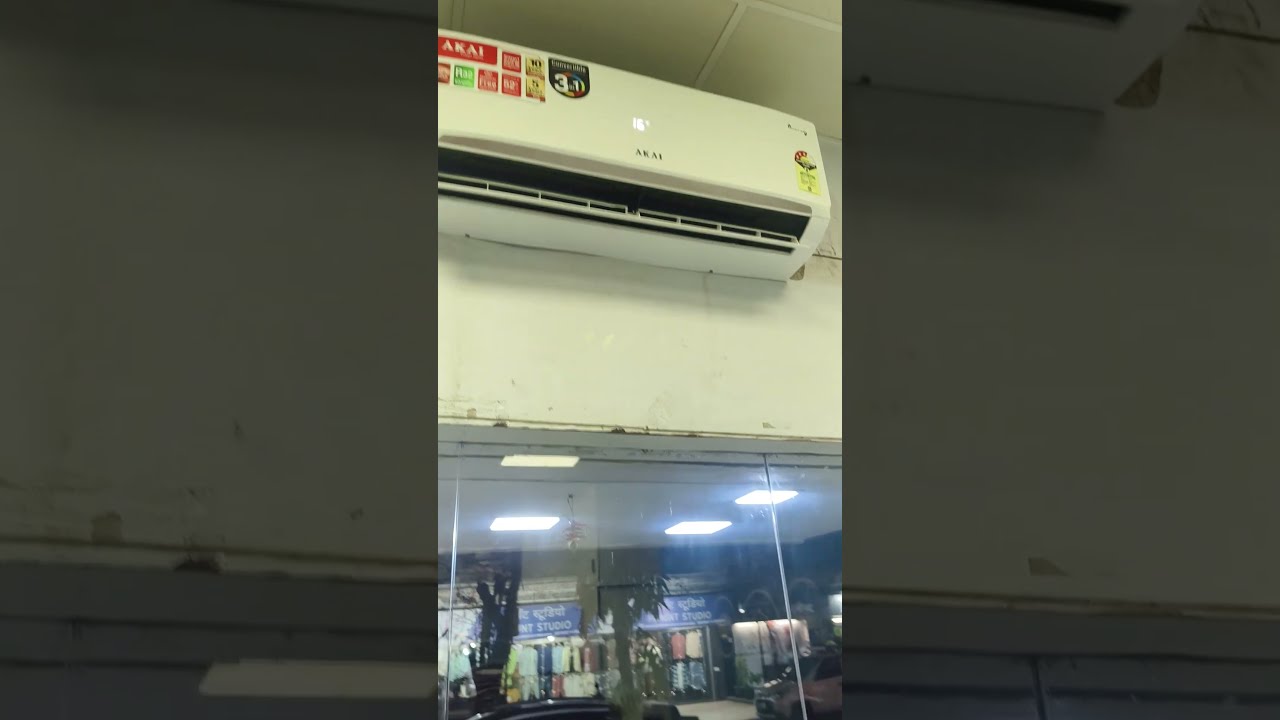
Pros of DIY Installation
Cost Savings: Avoid hard work quotes through handling installation yourself. Flexibility: Choose your agenda with no awaiting specialist availability. Learning Experience: Gain priceless potential and understanding approximately HVAC systems.Cons of DIY Installation
Potential Errors: Mistakes can end in inefficient operation and even wreck to the unit. https://cesarpgac003.yousher.com/ontario-ac-prices-rebates-incentives-and-tax-credits Safety Risks: Working with electrical additives poses defense negative aspects if not taken care of safely. Warranty Issues: Many manufacturers void warranties if installations aren’t finished through licensed authorities.Preparing for Your DIY AC Installation
Gather Necessary Tools and Equipment
Before diving into deploy, make sure you could have every thing you need:
- Screwdrivers Wrenches Level Tape measure Drill Safety goggles and gloves
Read the Instruction Manual Thoroughly
Each air con unit comes with special training that would have to be observed heavily for proper set up and most fulfilling functionality.
Step-by means of-Step Guide to Installing Your Own AC Unit
Step 1: Choosing an Installation Location
Select a location that allows good enough airflow both interior and exterior when being comfortably handy for maintenance.
Step 2: Mounting the Indoor Unit
If you're setting up a cut up manner:
Use a level to mark the place the indoor unit will cling on the wall. Drill holes as unique in the manual for mounting brackets.Step 3: Installing the Outdoor Unit
Place the out of doors condenser on a solid floor like concrete pads or brackets—ensuring real drainage far from your place.

Step 4: Connecting Electrical Lines
Follow safe practices protocols while connecting force strains:
Turn off electricity at the breaker container prior to foundation paintings. Connect wires based on company standards; wrong wiring can purpose fires or methods failure.Step five: Sealing Refrigerant Lines
Ensure all connections are tight and wisely insulated with foam tape or identical resources to avoid potential loss.
Testing Your Newly Installed AC System
Once every thing is attached:
Turn on force on the breaker container. Switch on your unit riding remote management or wall thermostat. Monitor performance—inspect airflow temperature after strolling for a couple of minutes; it must always be distinctly cooler than room temperature.FAQ Section
Q1: Can I Install My Own AC Unit?
Yes! Many property owners effectually finished their possess installations; then again, it requires careful planning and adherence to safety protocols.
Q2: How Much Does Professional AC Installation Cost?
Professional rates fluctuate commonly elegant on position however in many instances latitude from $500-$2000 depending on complexity and type of unit hooked up.
Q3: Where Can I Buy Air Conditioner Online?
Several reliable merchants promote air conditioners on-line—appearance out for visitor experiences whilst purchasing from websites like Amazon or specialized HVAC shops like acprices.ca.
Q4: Are There Any Local Regulations Regarding AC Installation?
Yes! Check local building codes which would possibly dictate different standards regarding HVAC installations—failure to comply ought to bring about fines or crucial removing of non-compliant units.
Q5: What Maintenance Is Required After Installation?
Regular protection contains replacing filters each few months, cleaning coils every year, checking refrigerant ranges, and ensuring drainage platforms paintings true.
Q6: How Do I Find The Best AC Companies in Canada?
You can seek on line directories like acprices.ca which provide rankings structured on consumer experiences and carrier nice—making sure you prefer legitimate carriers while vital!
Conclusion
In conclusion, although project a DIY AC install would seem to be daunting at the beginning look, with satisfactory practise and information it’s absolutely achievable! From figuring out what length unit suits your wishes well suited thru mastering how every one issue works together—the journey also can simply empower you additional as a home owner! Remember continuously prioritize security specifically else in the time of setting up procedures; if doubtful don’t hesitate attaining out mavens indexed at absolute best AC organization directory Canada acprices.ca!
With summer season exact round nook don’t enable soreness get you down—equip your self this day via investing time gaining knowledge of products obtainable earlier making decisions whether lease mavens knowledgeable tradespeople or take plunge into unique world do-it-your self projects!
This article promises finished insights into DIY air con deploy whilst declaring professionalism in the course of its content material—encouraging readers explore probabilities with a bit of luck!